
-
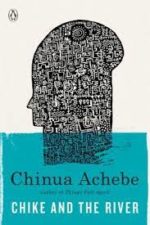
Chike and the River
KSh 400.00The more Chike saw the ferry-boats the more he wanted to make the trip to Asaba. But where would he get the money? He did not know. Still, he hoped.
Eleven-year-old Chike longs to cross the Niger River to the city of Asaba, but he doesn’t have the sixpence he needs to pay for the ferry ride. With the help of his friend S.M.O.G., he embarks on a series of adventures to help him get there. Along the way, he is exposed to a range of new experiences that are both thrilling and terrifying, from eating his first skewer of suya under the shade of a mango tree, to visiting the village magician who promises to double the money in his pocket. Once he finally makes it across the river, Chike realizes that life on the other side is far different from his expectations, and he must find the courage within him to make it home.Chike and the River is a magical tale of boundaries, bravery, and growth, by Chinua Achebe, one of the world’s most beloved and admired storytellers.
-
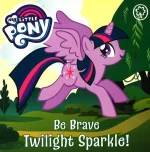
My Little Pony: Be Brave Twilight Sparkle!
KSh 395.00When the pony friends visit a spooky library, Twilight Sparkle must prove her bravery and reure her friends that nothing is as scary as it seems! With a gentle and reuring message about being brave, this fun story about first experiences is perfect for sharing with preschoolers. Includes four simple search-and-find pages! Why not collect all six brilliant story board books: Applejack’s Busy Day; Fluttershy and the Perfect Pet; Happy Birthday, Pinkie Pie; Be Brave, Twilight Sparkle; Rarity and the Fashion Show As seen on Tiny Pop and PopTV
-
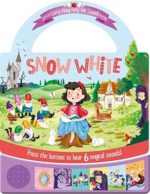
Snow White (Carry Fun Fairytale Sounds)
KSh 2,000.00Introduce the classic fairy tale to little ones with this enchanting book. Complete with 6 magical sounds, this carry-along bookmakes for a perfect storytime.
-
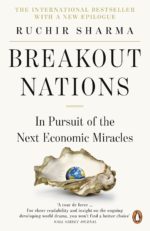
Breakout Nations: In Pursuit of the Next Economic Miracles
KSh 650.00In breakout nations Ruchir Sharma shows why the economic ‘mania’ of the 21st century, with its unshakable faith in the power of emerging markets to continue growing at the astoundingly rapid and uniform pace of the last decade, is wrong. Which countries will rise to become the next economic stars? Published By Penguin Group on 2013
-

VERY HUNGRY CATERPILLAR COLOURING SET
KSh 495.00Colouring Set cartepilar inc 8 colouring sheets 6 colouring pencils and reusable stickers
-
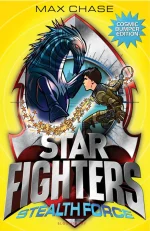
Star Fighters: Stealth Force
KSh 695.00It is the year 5012 and the Milky Way galaxy is under attack. After the Universal War, a war that almost brought about the destruction of every known universe, the planets in the Milky Way banded together to create the Intergalactic Force – an elite fighting team sworn to protect and defend the galaxy. Only the brightest and most promising students are accepted into the Intergalactic Force Academy, and only the very best cadets reach the highest of their ranks and become . . . STAR FIGHTERS!
Summoned by a strange distress signal, Peri and the rest of the Phoenix‘s crew head to the remote desert planet Westrenia to see if they can help. At first the main town seems devoid of life. Then the crew realise that the inhabitants are in hiding. The sheriff of Westrania has been kidnapped and a gang of outlaws is terrorising the town. It’s up to Peri to think of a way to outwit the outlaws and get the sheriff back!
-
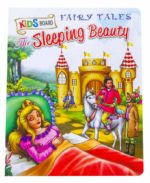
Fairy Tales The Sleeping Beauty
KSh 495.00Discover the magical tale of The Sleeping Beauty in this beautifully illustrated fairy tale book. A timeless story of curses, true love, and enchantment—perfect for young readers and fairy tale fans.
Sawan Books are generally short, quite direct as well as vivid. They are considered to be important children education to understand their culture and gain knowledge of important life lessons. Sawan presents an enchanted Sleeping Beauty kids board fairy tale. Once upon a time, there lived a King who had no child. However, the Queen was blessed with a baby girl. But a witch got angry for she was not invited to the birth ceremony of the Princess. She put a curse on Princess that she will die eventually. The curse came true and she fell into a deep, deep sleep. But every curse comes with a cure. What do you think about how her curse was lifted? Order a copy now and find out with your children.
-
The Bomber Mafia
KSh 1,195.00The Bomber Mafia is a case study in how dreams go awry. When some shiny new idea drops from the heavens, it does not land softly in our laps. It lands hard, on the ground, and shatters.’
In the years before the Second World War, in a sleepy air force base in central Alabama, a small group of renegade pilots put forth a radical idea. What if we made bombing so accurate that wars could be fought entirely from the air? What if we could make the brutal clashes between armies on the ground a thing of the past?
This book tells the story of what happened when that dream was put to the test. The Bomber Mafia follows the stories of a reclusive Dutch genius and his homemade computer, Winston Churchill’s forbidding best friend, a team of pyromaniacal chemists at Harvard, a brilliant pilot who sang vaudeville tunes to his crew, and the bomber commander, Curtis Emerson LeMay, who would order the bloodiest attack of the Second World War.
In this tale of innovation and obsession, Gladwell asks: what happens when technology and best intentions collide in the heat of war? And what is the price of progress?
-

An Introduction to Community and Public Health
KSh 19,000.00Navigate 2 Advantage Access For An Introduction To Community & Public Health, Ninth Edition Is A Digital-Only Access Code That Unlocks A Comprehensive And Interactive Ebook, Student Practice Activities And Assessments, A Full Suite Of Instructor Resources, And Learning Analytic Reporting Tools. The Ninth Edition Of An Introduction To Community & Public Health Provides The Latest Trends And Statistics In Community Health. With An Emphasis On Developing The Knowledge And Skills Necessary For A Career In Health Education, This Best-Selling Introductory Text Covers Such Topics As Epidemiology, Community Organization, Program Planning, Minority Health, Health Care, Mental Health, Environmental Health, Drugs, Safety, And Occupational Health. A Robust Pedagogy And Navigate 2 Advantage Access Help Students Understand And Retain Key Learning Objectives And Better Prepare For Class.
-
Forensic Pathology Principles and Practice
KSh 60,000.00Forensic Pathology is a comprehensive reference that uses a case-oriented format to address, explain and guide the reader through the varied topics encountered by forensic pathologists. Developed in response to a severe void in the literature, the book addresses topics ranging from medicolegal investigation of death to death scene investigation, forensic autopsy, and artifacts of resuscitation as well as complications of medical therapy, forensic osteology, forensic odontology, forensic photography, and death certification. The book includes various types of cases, including sudden natural death, asphyxia, motor vehicle collisions, death in custody, child abuse and elder abuse, acute psychiatric and emotional deaths, and pregnancy. It contains sample descriptions of pathological lesions which serve to aid pathologists in reporting their findings to law enforcement agencies, attorneys, and others involved in investigations of sudden death. The concepts outlined in the text are beautifully illustrated by large, colorful photographs. There are also “Do and Don’t” sections at the end of each chapter that provide guidance for handling the types of cases examined. This work will benefit not only experienced forensic pathologists, but also hospital pathologists who occasionally performs medicolegal autopsies; doctors in training; medical examiners; law enforcement personnel; crime scene investigators; attorneys; and fellows and students of the medical sciences.