
This classic, reader-friendly text provides a concise, comprehensive and clinically oriented survey of the human nervous system. Guides to understand the principles of physiotherapy and techniques to manage neurogenic dysfunctions and how all the components of the nervous system fit together and work as a cohesive unit. The diversity of clinical presentation, response and outcome of treatment all have to be studied together to check the long duration of morbidity and physical disability associated with neural disorders. This book explains time tested methods adopted in dealing with neurological disorders and even suggests new concepts in management that are not so popular. It will help students of basic neuroscience as well as residents and physicians to deal with neural disorders.
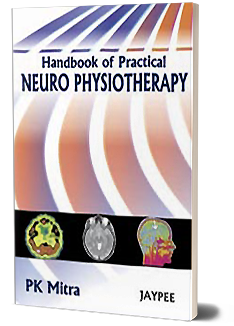
Handbook of Practical Neuro physiotherapy by Pushpal K Mitra
Discover Handbook of Practical Neuro physiotherapy by Pushpal K. Mitra – a comprehensive guide covering clinical techniques, rehabilitation strategies, and practical applications in neuro physiotherapy for students and professionals.
This classic, reader-friendly text provides a concise, comprehensive and clinically oriented survey of the human nervous system. Guides to understand the principles of physiotherapy and techniques to manage neurogenic dysfunctions and how all the components of the nervous system fit together and work as a cohesive unit. The diversity of clinical presentation, response and outcome of treatment all have to be studied together to check the long duration of morbidity and physical disability associated with neural disorders. This book explains time tested methods adopted in dealing with neurological disorders and even suggests new concepts in management that are not so popular. It will help students of basic neuroscience as well as residents and physicians to deal with neural disorders.
Customer Reviews
There are no reviews yet.
Related products
-

Oxford Handbook of Clinical Specialties (Oxford Medical Handbooks
KSh 6,580.00Now in its 25th year, the Oxford Handbook of Clinical Specialties has been revised and updated by a trusted author team to bring you practical, up-to-date clinical advice and a unique outlook on the practice of medicine. Twelve books in one, this is the ultimate guide to the core clinical
specialties for students, junior doctors, and specialists.This edition features a new and improved referencing system guided by a team of junior doctors, ensuring that the text is packed with valuable references to the most salient data and guidelines across the specialties. Each chapter has been updated on the advice of a team of specialists, to bring you
everything you need for any eventuality on the ward or in the field. This essential handbook guides the reader through the management of an unprecedented spectrum of conditions and eventualties, from sexual health to major incident management. Compact and filled with high quality artwork, directions
to further reading, and wise advice, this book is an ideal resource for revision and reference on the go.With its companion volume, the Oxford Handbook of Clinical Medicine, the Oxford Handbook of Clinical Specialties offers a unique perspective on the practice of medicine. Filled with wit, wisdom, and humanity, this book draws on literature, history, and personal experience to teach a philosophy of
medicine that always puts the patient at the centre of compassionate care. It is a trustworthy companion for anyone with the spirit of self-improvement and a passion for their practice. -

Robbins & Cotran Pathologic Basis of Disease, 10th Edition
KSh 18,480.00Readable and highly illustrated, Robbins and Cotran Pathologic Basis of Disease, 10th Edition presents an in-depth, state-of-the-art overview of human diseases and their cellular and molecular basis. This best-selling text delivers the latest, most essential pathology knowledge in a readable, interesting manner, ensuring optimal understanding of the latest basic science and clinical content. More than 1,000 high-quality photographs and full-color illustrations highlight new information in molecular biology, disease classifications, new drugs and drug therapies, and much more. This superb learning package also includes an enhanced eBook with a full complement of ancillary content on Student Consult
-
Clinical Examination Essentials An Introduction to Clinical Skills (and how to pass your clinical exams)
KSh 7,000.00Talley and O’Connor’s Clinical Examination Essentials 5e provides an introduction to the skills required to successfully pass your clinical exams.
It offers tips on how to impress your examiners and highlights key steps in taking a history and conducting a physical examination. With practice these will become second nature, even under the stress of exam conditions.
We hope that Talley and O’Connor’s Clinical Examination Essentials inspires you to master your clinical skills and embark on a successful medical career. If you are looking to further develop your history taking and examination techniques, Talley and O’Connor’s Clinical Examination: A Systematic Guide to Physical Diagnosis provides greater detail
-
Essentials of Anatomy and Physiology for Nursing Practice
KSh 7,280.00Effective, holistic nursing is impossible without a firm grasp of how the human body functions, but knowledge of the scientific theory on its own is not enough. Written with the needs of nurses firmly in mind and using the person-centred practice framework as a guiding principle, this book brings anatomy and physiology to life, combining the best of print and online learning into one integrated package. Key features: Connects theory with nursing practice by exploring the science from the perspective of a fictional family Uses a rich array of full-color figures, diagrams, and video material including interactive figures, animations and mini-tutorials – perfect for visual learners Full of engaging activities designed to complement self-directed learning. Supported by a collection of digital resources, including 170 online multiple choice questions, over 800 revision flashcards, and complete access to videos, animations, revision material and action plans. Ideal for revision and consolidating knowledge. Visit https://edge.sagepub.com/essentialaandp to find out more. Get 12 months FREE access to an interactive eBook* when you buy the paperback! (Print paperback version only, ISBN 9781473938465) Each purchase includes 12 months access to an interactive eBook version, meaning you can study when and how you want and make use of additional tools including search, highlighting, annotation note sharing and much more. *interactivity only available through Vitalsource eBook
-

Management Principles for Health Professionals
KSh 7,420.00Management Principles for Health Professionals is a practical guide for new or future practicing healthcare managers. The customary activities of the manager―planning, organizing, decision making, staffing, motivating, and budgeting―are succinctly defined, explained, and presented with detailed examples drawn from a variety of health care settings. Students will learn proven management concepts, techniques, models, and tools for managing individuals or teams with skill and ease. The Eighth Edition continues to present foundational principles of management in the context of contemporary health care. With timely coverage of such topics as medical cost sharing; use of robots; ER by appointment; increased use of observation units; renewed use of flextime staffing and scheduling; use of social media on the job, and more, this thoroughly updated text addresses the latest trends and issues that today’s health care manager is likely to encounter. Key Features – Presents 2 new tools ―The Manager’s Wheel Book and the Management Reference Portfolio ― to help new managers better understand their role and responsibilities and to aid existing managers in understanding their organization in detail – Covers managing care in a wide variety of health care settings (urgent care centers, specialty clinics, home care, etc.) outside of the traditional hospital setting. – Addresses technology and its impact, including eVisits/telemedicine, implementation of electronic health records, connectivity and the expectation that workers will respond during off hours via email and instant messaging, etc. – Offers expanded coverage on the importance and impact of corporate culture, the values of transparency and accountability, leadership style, and competitiveness. – Includes detailed examples of reports, plans, directives, union contracts, and more.
-
Integrative Human Biochemistry: A Textbook for Medical Biochemistry
KSh 13,750.00This book covers in detail the mechanisms for how energy is managed in the human body. The basic principles that elucidate the reactivity and physical interactions of matter are addressed and quantified with simple approaches. Three-dimensional representations of molecules are presented throughout the book so molecules can be viewed as unique entities in their shape and function.
The book is focused on the molecular mechanisms of cellular processes in the context of human physiological situations such as fasting, feeding and physical exercise, in which metabolic regulation is highlighted. Furthermore the book uses key historical experiments that opened up new concepts in Biochemistry to further illustrate how the human body functions at molecular level, helping students to appreciate how scientific knowledge emerges.
This book also:
- Elucidates the foundations of the molecular events of life
Uses key historical experiments that opened up new concepts in Biochemistry to further illustrate how the human body functions at molecular level, helping students to appreciate how scientific knowledge emerges
- Provides realistic representations of molecules throughout the book
Advance Praise for Integrative Human Biochemistry
“This textbook provides a modern and integrative perspective of human biochemistry and will be a faithful companion to health science students following curricula in which this discipline is addressed. This textbook will be a most useful tool for the teaching community.”
- Elucidates the foundations of the molecular events of life
-
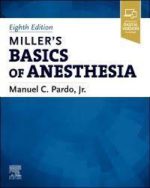
Miller’s Basics of Anesthesia, 8th Edition
KSh 14,700.00Long regarded as the undisputed leading text of its kind, Miller’s Basics of Anesthesia provides comprehensive yet concise coverage of both basic science and clinical topics in anesthesiology. Under the experienced editorial leadership of Dr. Manuel C. Pardo, Jr., the 8th Edition has been meticulously updated to reflect the latest advances in practice and important aspects of contemporary anesthesia care, including pathophysiology, pharmacology, regional anesthesia, anesthetic management, and special problems and patient groups. It remains the first learning resource of choice for anesthesia providers, including anesthesia residents and fellows, medical students, and student registered nurse anesthetists, and is also a valuable review tool for practitioners undergoing maintenance of certification or recertification.
-
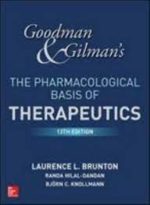
Goodman and Gilman’s The Pharmacological Basis of Therapeutics, 13th Edition
KSh 19,028.00Goodman & Gilman’s: The Pharmacological Basis of Therapeutics, Thirteenth Edition represents the pinnacle of authority and accuracy in describing the actions and uses of therapeutic agents in relation to physiology and pathophysiology. Goodman & Gilman’s careful balance of basic science and clinical application has guided thousands of practitioners and students to a clear understanding of the drugs essential to preventing, diagnosing, and treating disease.
The Thirteenth Edition includes more than 500 color illustrations, with many new figures emphasizing mechanisms of drug action. More than 30 new contributors have added to this edition, while the focus on basic principles is undiminished.
This edition is enhanced by timely new content:
- NEW chapters including Treatment of Pulmonary Arterial Hypertension, Immunity and Inflammation, Immunoglobulins and Vaccines, and Treatment of Viral Hepatitis
- Expanded coverage of cardiovascular disease, with separate chapters on myocardial ischemia, hypertension, and heart failure
- Increased emphasis on cellular signaling pathways involved in drug action
- Summary tables at the end of each chapter that organize drugs discussed in that chapter into relevant categories and detail therapeutic usage, clinical pharmacology, and tips
- Chapter Content Outlines at the beginning of each chapter
- Abbreviation boxes in every chapter to easily identify the abbreviations appearing in that chapter
Be the first to review “Handbook of Practical Neuro physiotherapy by Pushpal K Mitra”