
This classic, reader-friendly text provides a concise, comprehensive and clinically oriented survey of the human nervous system. Guides to understand the principles of physiotherapy and techniques to manage neurogenic dysfunctions and how all the components of the nervous system fit together and work as a cohesive unit. The diversity of clinical presentation, response and outcome of treatment all have to be studied together to check the long duration of morbidity and physical disability associated with neural disorders. This book explains time tested methods adopted in dealing with neurological disorders and even suggests new concepts in management that are not so popular. It will help students of basic neuroscience as well as residents and physicians to deal with neural disorders.
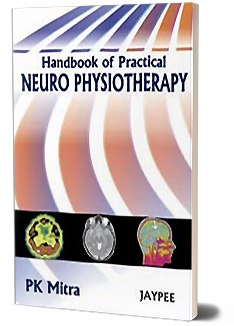
Handbook of Practical Neurophysiotherapy-Pushpal K Mitr
KSh 10,700.00
This classic, reader-friendly text provides a concise, comprehensive and clinically oriented survey of the human nervous system. Guides to understand the principles of physiotherapy and techniques to manage neurogenic dysfunctions and how all the components of the nervous system fit together and work as a cohesive unit. The diversity of clinical presentation, response and outcome of treatment all have to be studied together to check the long duration of morbidity and physical disability associated with neural disorders. This book explains time tested methods adopted in dealing with neurological disorders and even suggests new concepts in management that are not so popular. It will help students of basic neuroscience as well as residents and physicians to deal with neural disorders.
Customer Reviews
There are no reviews yet.
Related products
-
Clinical Examination Essentials An Introduction to Clinical Skills (and how to pass your clinical exams)
KSh 7,000.00Talley and O’Connor’s Clinical Examination Essentials 5e provides an introduction to the skills required to successfully pass your clinical exams.
It offers tips on how to impress your examiners and highlights key steps in taking a history and conducting a physical examination. With practice these will become second nature, even under the stress of exam conditions.
We hope that Talley and O’Connor’s Clinical Examination Essentials inspires you to master your clinical skills and embark on a successful medical career. If you are looking to further develop your history taking and examination techniques, Talley and O’Connor’s Clinical Examination: A Systematic Guide to Physical Diagnosis provides greater detail
-
Miller’s Basics of Anesthesia, 8th Edition
KSh 14,700.00Long regarded as the undisputed leading text of its kind, Miller’s Basics of Anesthesia provides comprehensive yet concise coverage of both basic science and clinical topics in anesthesiology. Under the experienced editorial leadership of Dr. Manuel C. Pardo, Jr., the 8th Edition has been meticulously updated to reflect the latest advances in practice and important aspects of contemporary anesthesia care, including pathophysiology, pharmacology, regional anesthesia, anesthetic management, and special problems and patient groups. It remains the first learning resource of choice for anesthesia providers, including anesthesia residents and fellows, medical students, and student registered nurse anesthetists, and is also a valuable review tool for practitioners undergoing maintenance of certification or recertification.
-

Davidson’s Principles and Practice of Medicine, 24th Edition(paperback)
KSh 10,640.00Well over two million medical students, doctors and other health professionals around the globe have owned a copy of Davidson’s Principles and Practice of Medicine since it was first published over 70 years ago. Now in its 24th Edition, this thoroughly updated textbook describes the pathophysiology and clinical features of the most frequently encountered conditions in the major specialties of adult medicine, and explains how to recognise, investigate, diagnose and manage them. Taking its origins from Sir Stanley Davidson’s much-admired lecture notes, Davidson’s has endured because it keeps pace with how modern medicine is taught and provides a wealth of trusted information in an easy-to-read, concise and beautifully illustrated format.
Key features:
-
- Part 1 ‘Fundamentals of Medicine’ – provides an account of the principles of genetics, immunology, infectious diseases, population health, oncology and pain management, along with a discussion of the core principles behind clinical decision-making and good prescribing.
-
- Part 2 ‘Emergency and Critical Care Medicine’ – covers medical emergencies in poisoning, envenomation and medicine in austere environments, as well as common presentations in acute medicine and the recognition and management of the critically ill.
-
- Part 3 ‘Clinical Medicine’– covers the major medical specialties, each thoroughly revised and brought fully up to date. A new section on COVID-19 has been added and the impact of this infection is described throughout the book.
-
- Clinical Examination overviews – extended and updated to summarise the main elements for each system.
-
- Presenting Problems sections – provide a clear pathway for the assessment of and approach to the most common complaints in each specialty.
-
- Practice Point summaries – detail the practical skills that medical students and junior doctors must acquire.
-
- Emergency boxes – emphasise the core knowledge needed to manage acutely ill patients.
-
- In Old Age, In Pregnancy and In Adolescence boxes – highlight differences in the practice of medicine in these patient groups, and illustrate the interfaces between medical, obstetric and paediatric services.
-
- The text is extensively illustrated – with over 1000 diagrams, clinical photographs, and radiology and pathology images.
- The global perspective is enhanced by an International Advisory Board of experts from 11 countries and by leading authors from around the world.
-
-
Goodman and Gilman’s The Pharmacological Basis of Therapeutics, 13th Edition
KSh 19,028.00Goodman & Gilman’s: The Pharmacological Basis of Therapeutics, Thirteenth Edition represents the pinnacle of authority and accuracy in describing the actions and uses of therapeutic agents in relation to physiology and pathophysiology. Goodman & Gilman’s careful balance of basic science and clinical application has guided thousands of practitioners and students to a clear understanding of the drugs essential to preventing, diagnosing, and treating disease.
The Thirteenth Edition includes more than 500 color illustrations, with many new figures emphasizing mechanisms of drug action. More than 30 new contributors have added to this edition, while the focus on basic principles is undiminished.
This edition is enhanced by timely new content:
- NEW chapters including Treatment of Pulmonary Arterial Hypertension, Immunity and Inflammation, Immunoglobulins and Vaccines, and Treatment of Viral Hepatitis
- Expanded coverage of cardiovascular disease, with separate chapters on myocardial ischemia, hypertension, and heart failure
- Increased emphasis on cellular signaling pathways involved in drug action
- Summary tables at the end of each chapter that organize drugs discussed in that chapter into relevant categories and detail therapeutic usage, clinical pharmacology, and tips
- Chapter Content Outlines at the beginning of each chapter
- Abbreviation boxes in every chapter to easily identify the abbreviations appearing in that chapter
-

Oxford Handbook of Clinical Specialties (Oxford Medical Handbooks
KSh 6,580.00Now in its 25th year, the Oxford Handbook of Clinical Specialties has been revised and updated by a trusted author team to bring you practical, up-to-date clinical advice and a unique outlook on the practice of medicine. Twelve books in one, this is the ultimate guide to the core clinical
specialties for students, junior doctors, and specialists.This edition features a new and improved referencing system guided by a team of junior doctors, ensuring that the text is packed with valuable references to the most salient data and guidelines across the specialties. Each chapter has been updated on the advice of a team of specialists, to bring you
everything you need for any eventuality on the ward or in the field. This essential handbook guides the reader through the management of an unprecedented spectrum of conditions and eventualties, from sexual health to major incident management. Compact and filled with high quality artwork, directions
to further reading, and wise advice, this book is an ideal resource for revision and reference on the go.With its companion volume, the Oxford Handbook of Clinical Medicine, the Oxford Handbook of Clinical Specialties offers a unique perspective on the practice of medicine. Filled with wit, wisdom, and humanity, this book draws on literature, history, and personal experience to teach a philosophy of
medicine that always puts the patient at the centre of compassionate care. It is a trustworthy companion for anyone with the spirit of self-improvement and a passion for their practice. -
The Handbook of Medical Image Perception and Technique
KSh 11,200.00This state-of-the-art book reviews key issues and methods in medical image perception research through associated techniques, illustrations and examples. Written by key figures in the field, the book covers a range of topics including the history of medical image perception research, the basics of vision and cognition, and dedicated application areas, especially those concerned with the interface between the clinician and the display of medical image data. It summarizes many of the basic techniques used to conduct and analyze medical image perception and observer performance research, allowing readers to understand basic research techniques so they can adopt them for use in their own studies. Written for both newcomers to the field and experienced researchers, this book provides a broad overview of medical image perception, and will serve as a reference volume for years to come.
-
Medical Microbiology, International Edition, 19th Edition
KSh 7,462.00Medical microbiology concerns the nature, distribution and activities of microbes and their impact on health and wellbeing. In spite of the introduction of many antimicrobial agents and immunisations, we continue to face major challenges in combatting infection, not least the gathering crisis in antimicrobial resistance.
Now in a fully revised and updated 19th edition, Medical Microbiology provides comprehensive coverage of infection from the microbial perspective, combining a clear introduction to key principles with a focus explicitly geared to modern clinical practice. It provides ideal coverage for medical and biomedical students – with ‘Key Points’ boxes throughout to highlight the essentials – and sufficient detail to also inform specialists in training.
Building on the success of previous editions, updates in Medical Microbiology 19e include:
-
- New and expanded coverage of hot topics and emerging areas important to clinical practice, including:
-
-
- Genomics
-
-
-
- The Human Microbiome
-
-
-
- Direct acting antiviral agents for the treatment of HCV infection
-
-
-
- Molecular methods in diagnostic microbiology
-
-
-
- Antibiotic Stewardship
-
-
- BONUS electronic materials to enhance your learning, including:
-
-
- Clinical cases – to introduce how patients with infections present and help relate key principles to practice
-
-
- MCQs for each chapter – to check understanding and aid exam preparation
-
-

The Great Influenza: The Story of the Deadliest Pandemic in History -Paperback
KSh 650.00Magisterial in its breadth of perspective and depth of research, The Great Influenza provides us with a precise and sobering model as we confront the epidemics looming on our own horizon. As Barry concludes, “The final lesson of 1918, a simple one yet one most difficult to execute, is that…those in authority must retain the public’s trust. The way to do that is to distort nothing, to put the best face on nothing, to try to manipulate no one. Lincoln said that first, and best. A leader must make whatever horror exists concrete. Only then will people be able to break it apart.”
At the height of World War I, history’s most lethal influenza virus erupted in an army camp in Kansas, moved east with American troops, then exploded, killing as many as 100 million people worldwide. It killed more people in twenty-four months than AIDS killed in twenty-four years, more in a year than the Black Death killed in a century. But this was not the Middle Ages, and 1918 marked the first collision of science and epidemic disease.
Be the first to review “Handbook of Practical Neurophysiotherapy-Pushpal K Mitr”